Early-stage optioneering had become a major bottleneck. To identify suitable locations for CSO tanks, teams needed to consider:
- Geology and ground conditions
- Topography and constraints
- Existing assets and utilities
- Prior studies and survey data
This information existed, but it lived across different systems, files, and teams.
As a result:
- PMs struggled to get a clear view of feasibility early
- Specialists spent time assessing sites that would later be ruled out
- Site visits were booked before basic viability was clear
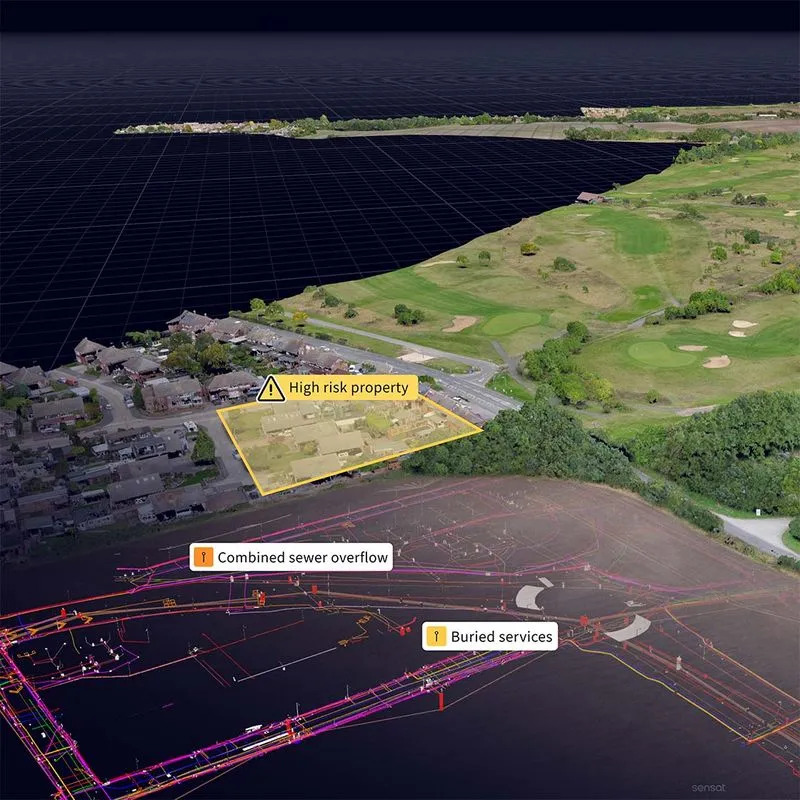
Before Sensat, optioneering involved:
- Pulling together information manually for each site
- Reviewing options one location at a time
- Multiple site visits to confirm basic constraints
- Long discussions to explain why certain sites would not work
This made optioneering slow, expensive, and difficult to scale across a large programme.
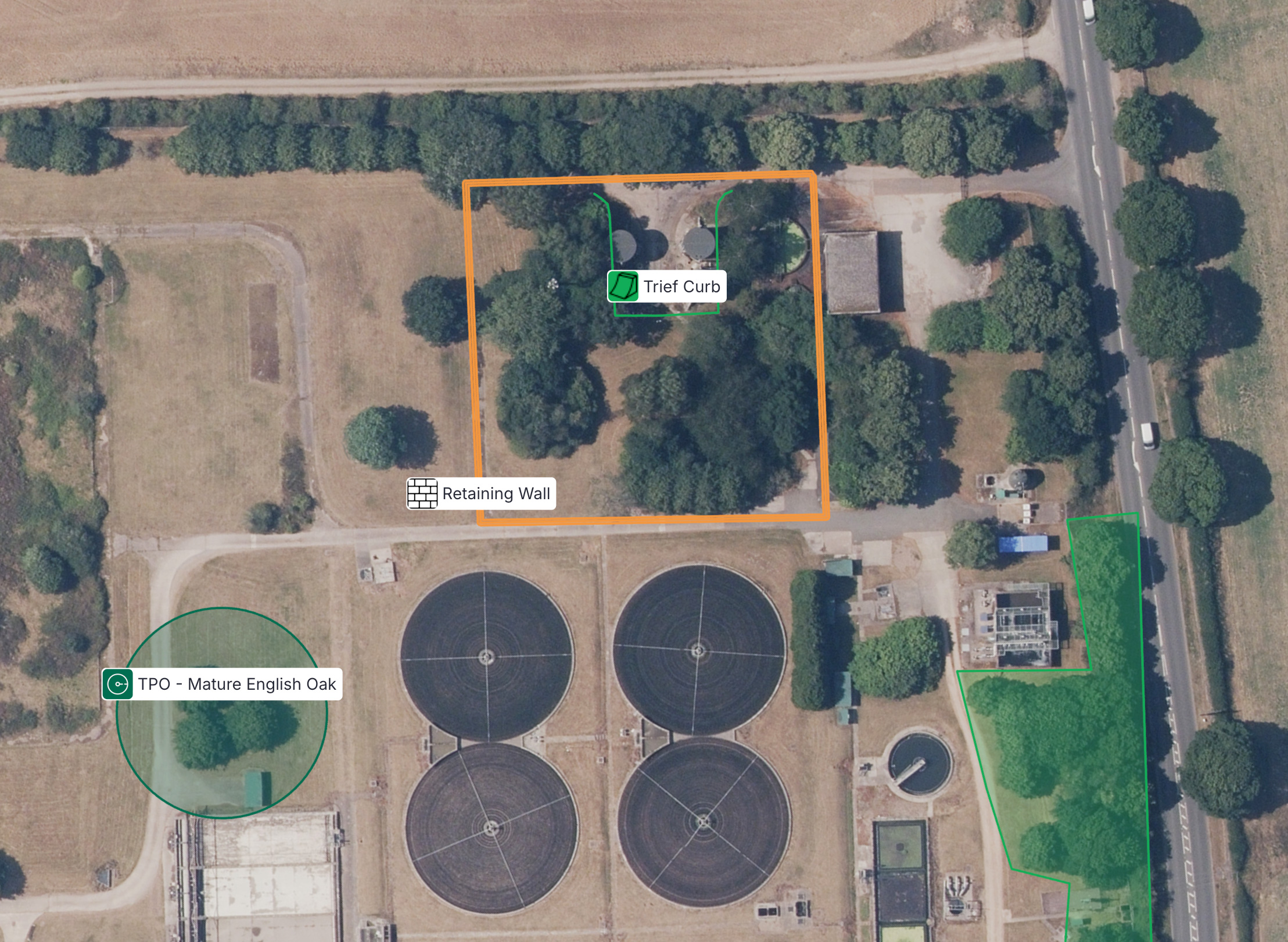
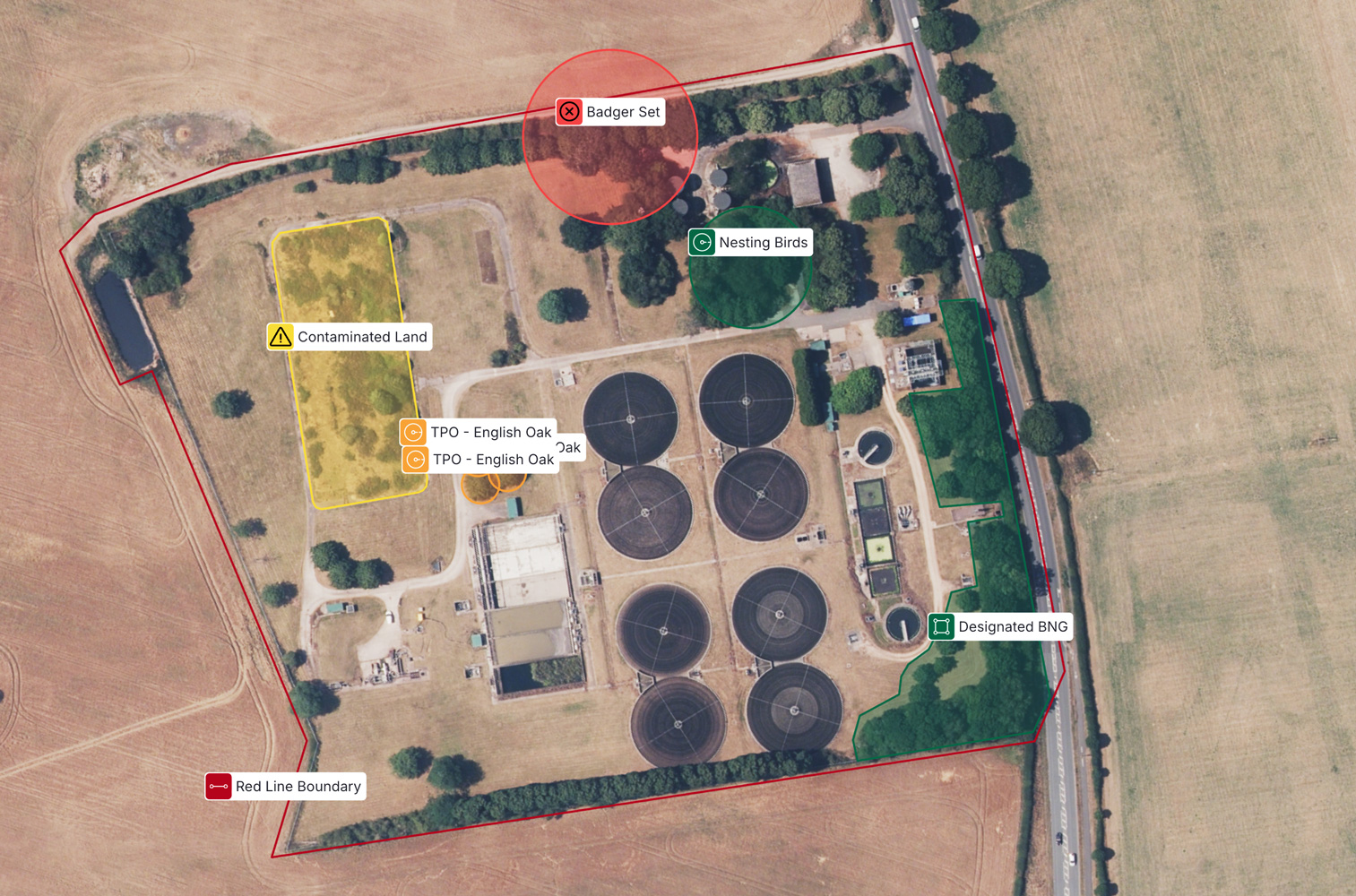
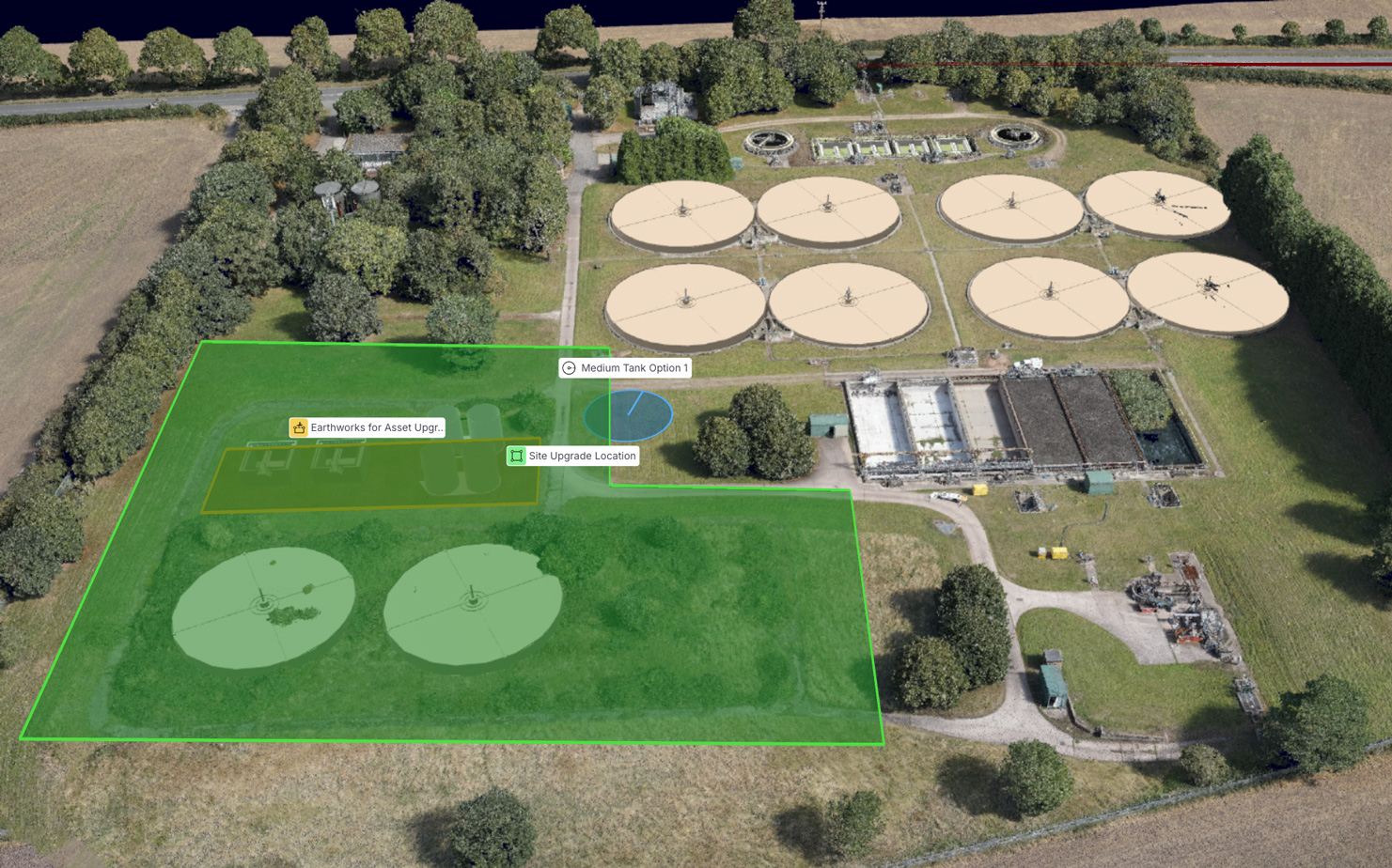
The delivery team used Sensat to visualise large areas of the catchment in a single, shared view.
They brought together:
- Geology and ground investigation data
- Topography and environmental constraints
- Existing assets and underground utilities
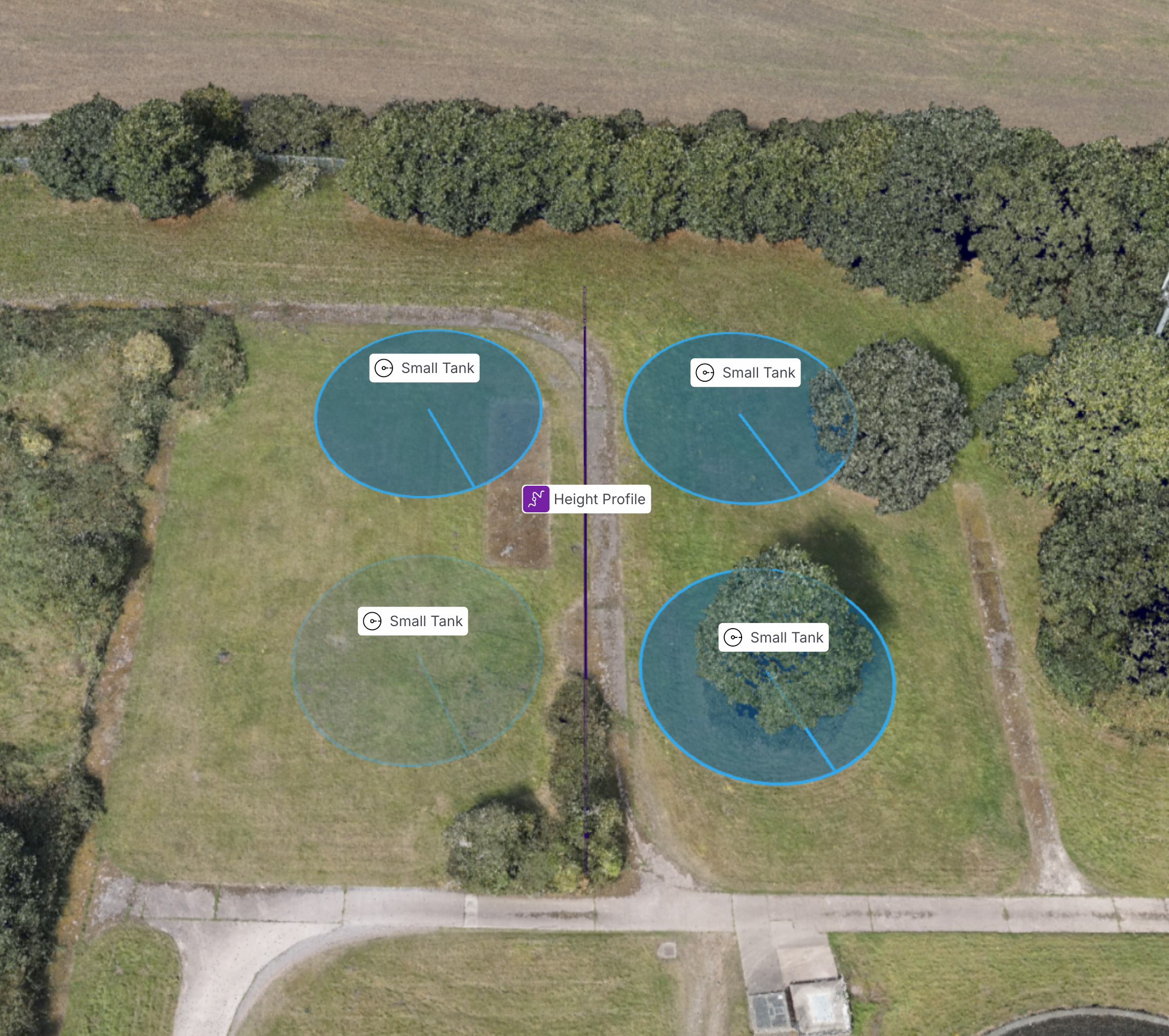
- Early option shapes and layouts
This allowed PMs and specialists to assess multiple potential sites from their desks and compare options side by side.

For the project delivery team, Sensat was not about producing a better visual. It was about removing friction early. By speeding up optioneering, the team could keep programmes moving, reduce wasted effort, and focus resources where they would have the most impact.
Where this approach works best
- CSO programmes with many potential sites
- Early-stage optioneering and feasibility
- Catchment-wide planning exercises
- Projects where site visits are costly or slow to arrange