Case study · Sector · Country
Headline goes here in one clear line
Standfirst goes here. Two or three sentences that set up the story: who the customer is, the scale of the programme they were delivering, and the pressure they were under. Then say plainly what changed once the team started working in Sensat.
00%
Short label for the first result
£00m
Short label for the second result
00
Short label for the third result
Download PDF
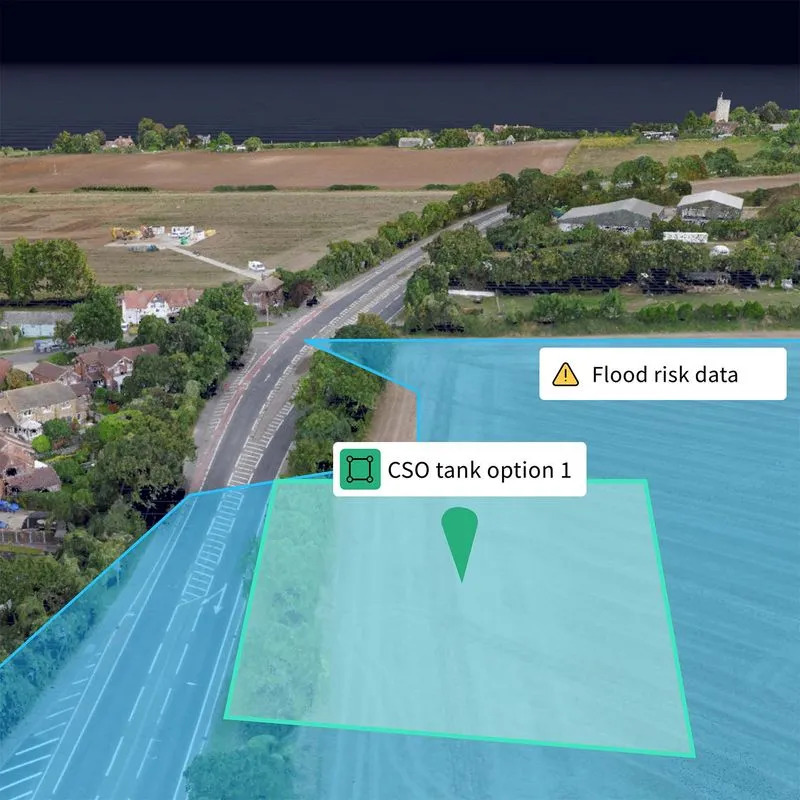
Optional video — replace this block with a Video or Embed element

Overview
One line that frames the whole story
Supporting paragraph. Give the reader the context they need before the problem section: the size and shape of the programme, how many projects or sites it covers, the teams and partners involved, and the timeline everyone was working to. Keep it factual rather than promotional — the numbers and the constraints do the persuading. Close by naming the specific project or workstream the rest of this case study follows, so the reader knows exactly what they are about to read about.
The problem
What was getting in the way
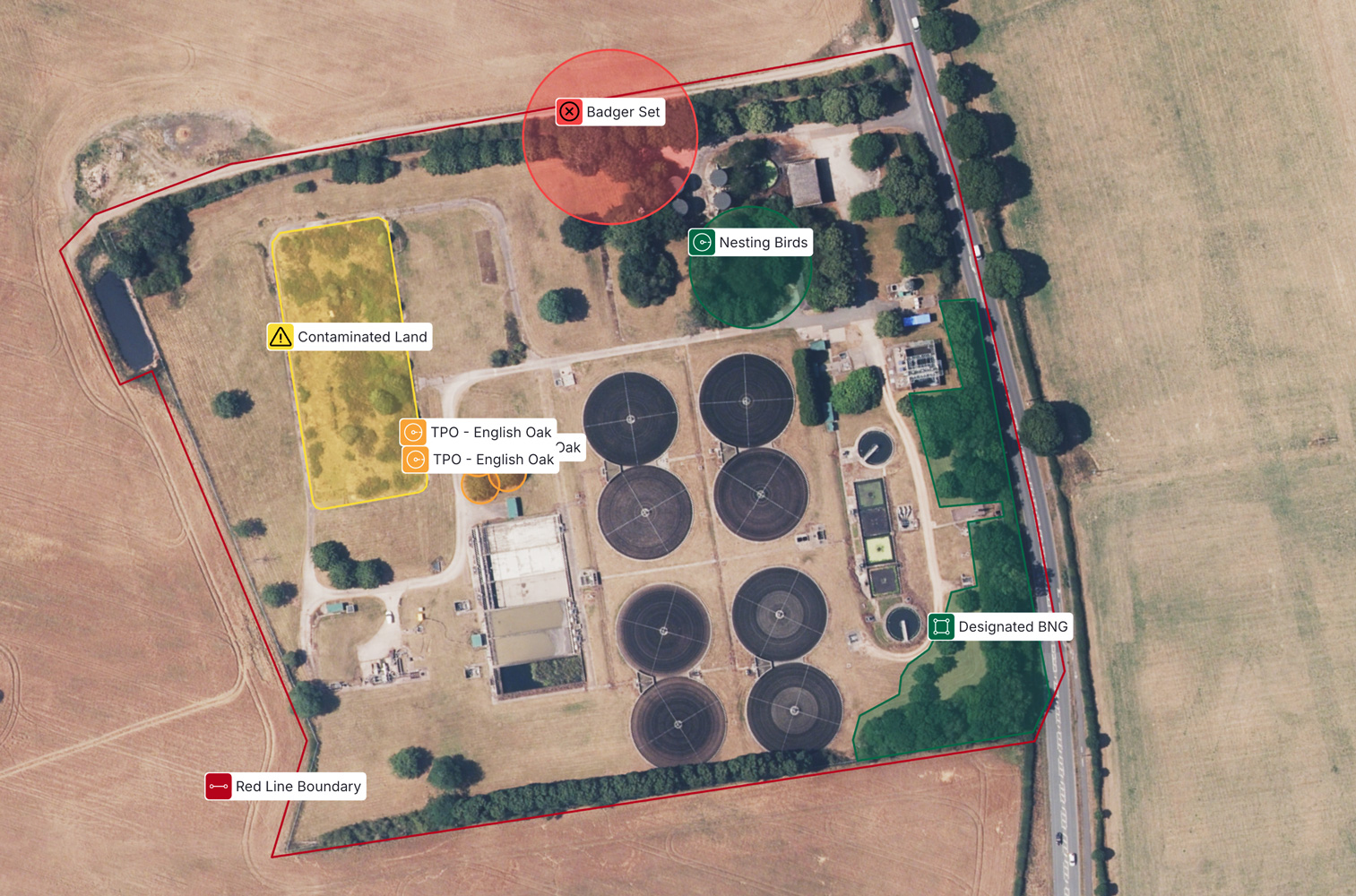
Describe the situation before Sensat. What was slow, risky or simply invisible to the people who had to make the decision, and what that was costing the team in time, money or certainty. Be specific about the mechanism: where the information sat, who could open it, and how many handovers stood between a question being asked and an answer arriving.
Second paragraph. Add the friction that compounds it — data held in specialist systems most of the team cannot open, sites that are remote or access-constrained, consenting that runs on its own clock. Then say what the team actually needed to do: identify savings quickly, rework layouts and routes, quantify the change, and put credible revised numbers in front of a steering group. All of it without pausing the programme.
The solution
What changed with Sensat
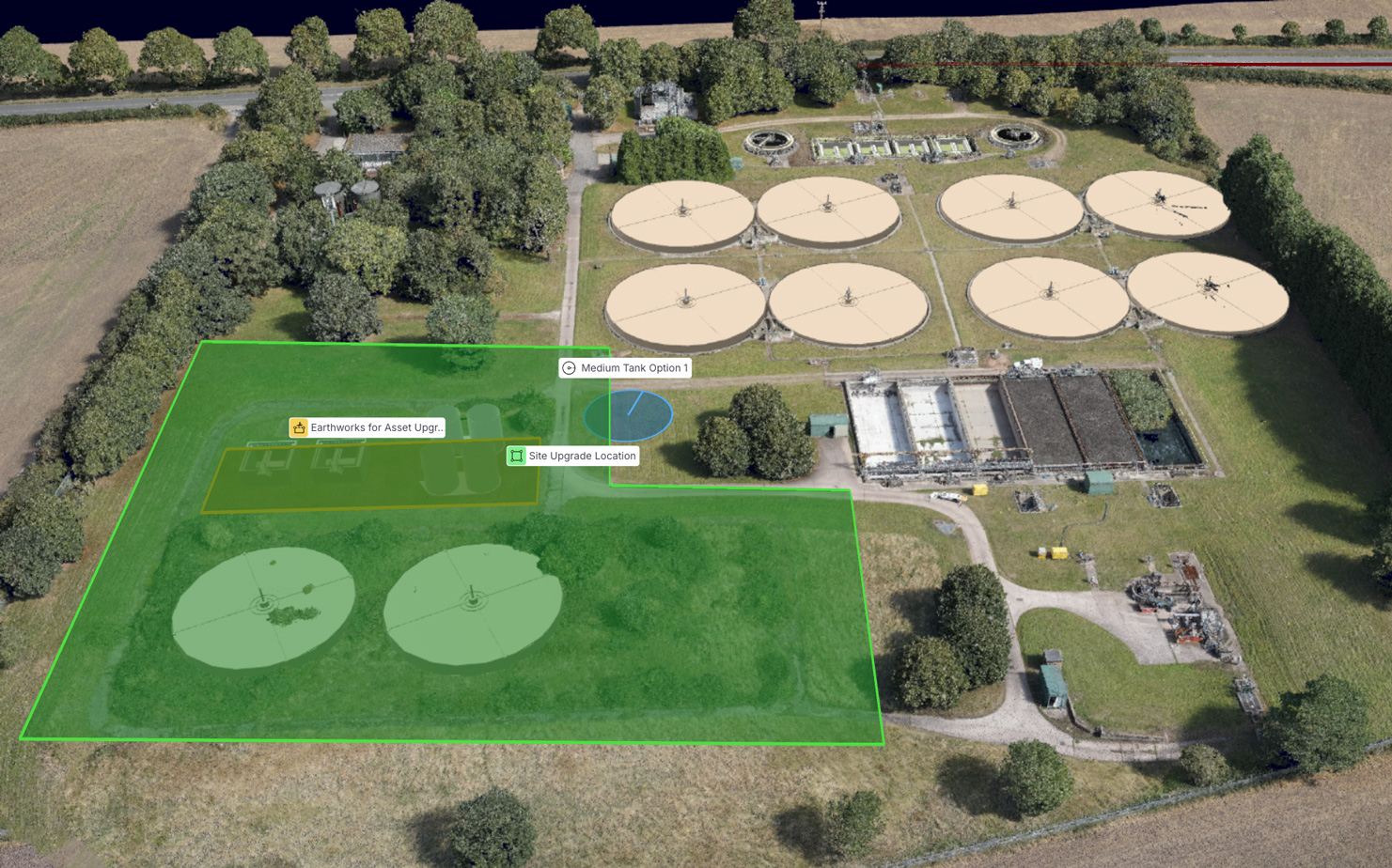
Describe how the team used the platform. Keep it concrete: what they brought into the shared view, who was in the room, and what they could suddenly see or do that they could not before. The strongest version of this section reads like a working method rather than a feature list.
Second paragraph. Name the specific workflows — benchmarking options side by side against the real site, sketching revised routes directly onto the 3D context, taking lengths, areas and volumes straight from the model instead of waiting on manual take-offs, and running the review session live rather than through a static deck. End with what that collapsed: the handovers that disappeared, and the work that moved back in-house.
The results
Better decisions, made earlier
00%
Saved against the original package price on a single project
£00m
Weeks removed from the redesign and repricing cycle
00
Projects kept on track without pausing delivery
00
Optional fourth result — hide or delete this box to show three
Optional supporting text under the stats. Use it to explain what the numbers actually mean and where they came from — which project, which package, measured against what baseline. It is also the right place for the detail that will not fit in a box: the framework agreement that followed, the workflow that has since been adopted across the wider programme, or the caveat that keeps the claim honest.
“The difference was being able to show the options spatially, not just describe them. When the steering group could see the revised routes overlaid on the site, the trade-offs were obvious in a way a slide deck had never made them. Decisions that would normally take us three or four weeks of back and forth were made in a single session, and everyone left the room agreeing on the same thing.”
— Name, Job title, Company name
Why it matters
The wider point this case study makes
A closing section that zooms out from this one project. For the delivery team this was never only a cost exercise — it turned what could have become a stalled programme into a controlled, repeatable way of working. Instead of waiting on drawings and revised estimates, the project manager could lead the work in real time, keep momentum, and hold the milestone dates that everything else depended on. Say plainly why that matters for the sector: making better decisions earlier is what changes the economics of a programme measured in hundreds of millions, because it removes rework and uncertainty at the point where they are still cheap to remove.
Where this approach works best
Speak to the team and see how Sensat works on a real project site like yours.
Talk to us
Water · UK
Case study title goes here
Standfirst goes here. One or two sentences naming the customer, the programme, and the result.
Read the case study →
Rail · UK
Case study title goes here
Standfirst goes here. One or two sentences naming the customer, the programme, and the result.
Read the case study →